Maestro availability depends on the casino, its payment processor and the card product, so the cashier is the clearest place to check.
 Available in GB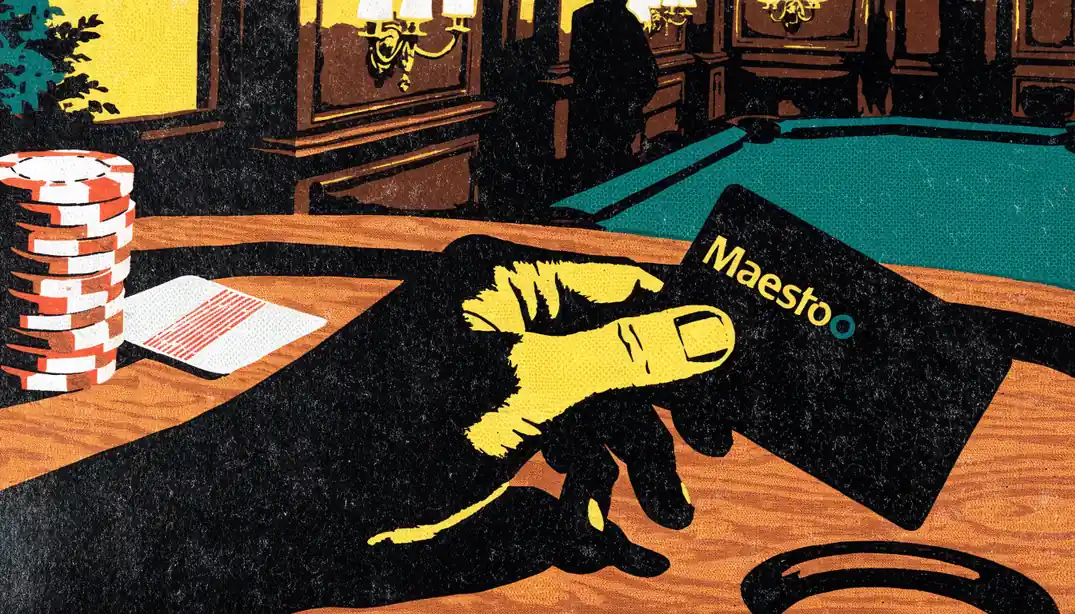
Table of Contents
- Does Maestro Still Work at UK Online Casinos?
- Deposits, Withdrawals and the Catch with Card Payments
- What to Check Before You Try a Maestro Deposit
- Playing Slots on Mobile: Payment and Spin Rules
- Real-Money Slots and Keeping Control of Your Spend
- Is Maestro a Credit Card? The UK Gambling Rule
- Bonuses Can Depend on How You Pay
- Small Deposits, Minimums and Safer Payment Checks
- Replacing Maestro: Payment Routes to Compare
- Maestro and Casinos Outside GamStop: Check the Risks First
Does Maestro Still Work at UK Online Casinos?
Maestro is the sort of card people remember from older casino payment pages, then struggle to find when they open a cashier today. That does not mean every UK casino has removed it, nor does it mean a casino displaying “debit cards” will accept every debit-card product. The practical answer is on the payment screen, not in a general list.
I have made that mistake myself: seeing a card logo and assuming my particular card would go through. The logo was not a promise. It was only a broad sign that some card payments were supported.
Why availability is difficult to confirm
Card acceptance can depend on the casino, the payment processor and the card product issued to you. UK casinos commonly support debit cards, including Visa and Mastercard, but that broad category does not settle whether Maestro is available for a particular account or cashier.

A casino may describe its payment options in general terms on an information page while showing a narrower selection after you sign in. The cashier is the part that matters because it reflects the route currently offered to your account. If Maestro is not displayed there, do not treat a reference elsewhere as confirmation.
This is also why claims about “all Maestro casinos in the UK” need handling carefully. There is no useful permanent list when payment menus can change. A site that accepted Maestro at one point may later remove the logo, change processors or show different options to different customers.
How to check a casino properly
The cleanest check is straightforward:
- Open the casino’s cashier after signing in.
- Select the deposit area and view the available card methods.
- Look for Maestro specifically, rather than assuming that “debit card” includes it.
- Read the payment-method information shown beside the card option.
- Confirm that the casino identifies the route as available to your account before entering card details.
If Maestro appears as its own option, that is a stronger indication than an old review or a logo placed in a footer. If the cashier only shows Visa or Mastercard, the casino has not confirmed Maestro for that transaction route.
I would not enter the card number simply to see what happens. A failed attempt can create unnecessary confusion, particularly if the cashier sends you into a separate verification step. First establish that the method is listed and selectable.
“Debit card accepted” is not enough
The phrase “debit cards accepted” sounds clear until you look at the details. It may refer to the card brands that the processor handles, not every card carrying a debit function. Maestro can therefore sit in an awkward middle ground: familiar to the player, but absent from the current cashier.
The same caution applies to pages describing a casino as a place for Maestro deposits. A page can remain online after the payment arrangement has changed. It may also use broad wording that does not distinguish between a card brand and a specific product issued in the UK.
When I check a payment method now, I separate three things:
- whether the casino mentions card deposits;
- whether Maestro is named;
- whether Maestro is actually selectable in the logged-in cashier.
Only the last point tells me what the account can attempt at that moment. Less glamorous, more useful.
What “still available” really means
When people ask whether Maestro casinos are still available in the UK, they are often asking two slightly different questions. First, does any casino still show Maestro as a payment option? Second, will a particular Maestro card work with that casino?
The first question can be answered by checking current cashier menus. The second may depend on the card and the payment processor. A visible Maestro option is encouraging, but it is not a reason to assume that every card with the Maestro mark will be accepted.
It is better to regard availability as account-specific and current. The position can change without the casino rewriting every page that mentions payments. This matters even more when looking at newer casino brands: a recently launched site may promote a familiar card category while its live cashier supports a different selection.
Do not confuse the card logo with a casino endorsement
A logo is not a guarantee that the payment method is active, suitable for every customer or available for every transaction. Casino payment pages can contain general branding, while the actual cashier decides what you can select.
That is why descriptions such as “best Maestro casino” or “Maestro casino bonus” should not be taken as proof of current compatibility. The important question is narrower: does this UK-facing cashier show Maestro for your account right now?
DO
- Open the casino’s cashier after signing in
- Look for Maestro specifically in the available card methods
- Confirm the method is selectable for your account
DON'T
- Assume "debit card" always includes Maestro
- Rely on old reviews or logos in a website footer
- Enter card details before confirming availability
The same check applies whether you are using a computer or an Android phone. The device does not turn an unsupported card into a supported one. Open the casino’s payment area, inspect the available methods and rely on the live display rather than a remembered list.
For a current search for casinos that accept Maestro in the UK, I would begin with the cashier every time. Check the named card option, not just the word “debit”. If Maestro is visible and selectable, you have found a live indication of compatibility; if it is absent, move no further with that card at that casino.
Deposits, Withdrawals and the Catch with Card Payments
A card payment can make the first part of the casino journey look deceptively simple. You select the card option in the cashier, enter the amount, complete the bank’s security check and wait for the balance to update. With a card deposit, that update can be instant. Getting money back is a separate process, though, and treating it as the reverse of the deposit is where I have made mistakes.
The cashier is not a two-way pipe. It is more like a set of doors, each with its own rules.
A deposit is not the same as a withdrawal
When you deposit by card, the casino is receiving funds from a payment instrument linked to you. The transaction is checked and, once approved, the money becomes available for play. The speed of that first credit does not tell you how quickly a withdrawal will arrive.
 Casinos That Accept AstroPay in the UK: What to CheckLearn how to verify AstroPay in a UK casino cashier, compare alternative payment routes, and check deposit, withdrawal and bonus conditions.
 Casinos That Accept Ukash in the UK: What to KnowLearn why old Ukash listings may be outdated, how to check a casino cashier, and how prepaid deposits and alternatives fit. EcoPayz…
A withdrawal has extra stages. The casino may need to approve the request internally, complete KYC, check the payment history and confirm that the destination is permitted. Only after those checks does the money leave the operator. The card issuer or bank then has its own processing time.
A specialist review source describes the difference plainly: a card deposit may appear immediately, whereas the payout can take several business days. That is not a promise about every Maestro transaction or every casino. It is a useful warning not to judge the withdrawal service by the speed of the deposit.
I once looked at an instant balance update and assumed the cash-out would behave the same way. It did not. Different queue, different checks.
Why winnings may return to the original card
UK anti-money-laundering controls generally require a casino to return funds to the original payment source. This is part of the closed-loop approach used to reduce fraud and prevent an account from becoming a convenient route for moving someone else’s money.
That can affect a Maestro payment in two ways:
- the casino may send an eligible withdrawal back to the card used for the deposit;
- the cashier may ask you to complete additional verification before accepting or releasing the withdrawal.
The original source is not necessarily the player’s preferred destination. You might want a bank transfer or another wallet because it appears more convenient, but the casino can still direct the funds back through the deposit route. Alternative destinations may require further checks, and some payment methods are deposit-only rather than available for withdrawals.
This is why the cleanest arrangement is often one account and one payment route used consistently by the same customer. It keeps the ownership trail easier to understand. If the account details, cardholder name and withdrawal destination do not line up, the operator has a reason to pause the transaction.
The first withdrawal can involve more checking
A first withdrawal may take longer because the casino is completing verification while approving the payment. A specialist review source notes that withdrawal timing includes the operator’s internal approval and that initial withdrawals can face extra delay while verification is finished.
That does not mean every first cash-out will be held. It means the visible withdrawal status may cover more than a payment transfer. The casino could be checking identity documents, payment ownership or account activity before releasing funds. If something is unclear, support may request more information.
The practical lesson is to complete KYC before you need the money, where the casino allows that. Keep the submitted details consistent with the account and the payment instrument. A mismatched name or an attempt to withdraw to another person’s account can turn a routine request into a longer exchange with support.
No shortcuts here.
What happens if the original card is unavailable?
Cards can expire, be replaced, or stop being supported by the cashier. That does not automatically mean the casino can send winnings to any destination you choose. The operator may need evidence that the old card is no longer usable, followed by another method that passes its payment and ownership checks.
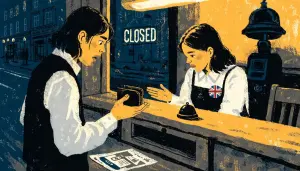
The exact route depends on the casino’s cashier and its internal rules. You should not assume that a successful deposit proves a successful withdrawal route. A card can be displayed for deposits while the return process is handled differently, or the operator may ask you to use another approved destination after reviewing the transaction.
Before depositing, it is worth reading the withdrawal instructions rather than focusing only on the deposit button. Look for the payment method’s role in the cashier, any closed-loop wording, and requests for KYC. That is less exciting than choosing a game, but it prevents an avoidable surprise after a win.
Keep the payment journey in the right order
The sensible sequence is:
- Confirm that the card route is displayed for your account.
- Make sure the account and payment instrument belong to the same customer.
- Read how the casino handles card withdrawals and original-source returns.
- Complete requested KYC without changing personal details between documents.
- Treat the deposit speed and withdrawal speed as separate things.
If a deposit is credited instantly, enjoy the convenience but do not read it as evidence that a payout will be instant. The casino’s approval process and verification status remain part of the timetable. A payment that feels immediate on the way in can take several business days on the way out.
That is the catch with card payments: funding play and receiving winnings are connected, but they are not mirror images.
What to Check Before You Try a Maestro Deposit
A Maestro logo on an old payment page is not enough. Before entering any card details, open the casino cashier while signed in and look at the deposit methods shown for your account. That is where current availability is decided.
A specialist review may list familiar card brands such as Visa and Mastercard, but that does not confirm that every card product, issuer or customer account is eligible. Maestro support can disappear from a cashier without the surrounding payment information being updated. The practical check is simple: select the card section, see whether Maestro is displayed, and read the accompanying conditions before you proceed.
Check the cashier, not just the payment page
The cashier can show information that a general banking page does not. It may identify:
- which card brands are accepted;
- whether the route is available in the United Kingdom;
- the minimum and maximum amount for that method;
- whether the method is available for deposits, withdrawals, or both;
- whether extra verification is required.
I have made the mistake of treating a familiar logo as a green light. The deposit form then rejected the card, or the method appeared for funding but offered no matching payout route. A few seconds in the logged-in cashier would have answered both questions.
This matters particularly with Maestro because card availability and card-product eligibility can change. Even if another customer can see a Maestro option, your account, issuer or account status may produce a different cashier. Do not rely on an old review, a banner, or a payment logo copied into the footer.
Read the minimum deposit carefully
A “no minimum deposit” phrase can be misleading when it refers to a promotion rather than the payment method itself. The cashier’s stated minimum is the figure that controls the transaction. A specialist review places common minimum deposits in the £10–£20 range, depending on the selected payment method, but that is not a promise for Maestro or for every account.
Minimum Deposit Details
The cashier's stated minimum is the figure that controls the transaction. While common minimum deposits are in the £10–£20 range, the specific amount depends on your selected payment method and account currency.
The amount can also be affected by the currency selected for the casino account. If your balance is not held in pounds, the displayed amount may not match what leaves your bank account after conversion. Confirm the account currency and the final transaction value before authorising payment.
A low minimum does not remove the need to check the payment route. A method might accept a small deposit but apply a different threshold to later transactions, or refuse an amount that exceeds its own processing rules. The cashier should show the conditions attached to the specific route you selected.
Look for the maximum deposit limits
Maximums can apply per transaction, per day or per month. They vary according to the payment method and the status of the account, so a limit shown for one route should not be assumed to apply to Maestro.
Account status can matter after registration, during verification, or when the casino applies additional transaction checks. If your intended deposit is refused, do not keep resubmitting it. Check whether the cashier has displayed a method-specific maximum or whether the account needs further action before the payment can be considered.
A clean check involves three details:
- the smallest amount the cashier will accept;
- the largest amount allowed for the selected transaction;
- any daily or monthly ceiling shown for that payment route.
That prevents a failed payment being mistaken for a card problem.
Confirm the complete route
Before depositing, verify that the same route supports the direction you may need later. A card method can be visible under deposits while withdrawals follow separate conditions. Check the cashier for both functions and read any closed-loop rules attached to card payments.
The sensible choice is a route that is clearly available for your account, states its minimum and maximum, and provides a workable path for both depositing and withdrawing. If Maestro appears only as a deposit button, pause rather than assume the balance can later be returned through it. Payment compatibility is not complete until both sides are clear.
I now check first, pay second. Less drama.
Playing Slots on Mobile: Payment and Spin Rules
A phone can handle two separate jobs at a casino: making a payment and running a game. That distinction matters when you are looking for Maestro mobile slots in the UK. Seeing a card option in a mobile cashier does not mean that a particular slot, app or game will be available through it. The cashier deals with the transaction; the game lobby deals with what you can play.
I made that mistake myself once, treating “pay by card” as though it meant every part of the site had been cleared for my device. It does not. A mobile browser may show the payment page correctly while the selected game has different device, browser or account requirements. A payment card is not a game pass.
Paying by card on a phone
If Maestro is displayed as an available payment route, the transaction takes place in the casino’s mobile cashier or a payment-provider window. You enter the requested card details, follow any security check, and return to the casino account. That process is separate from opening an online slot.
The practical checks are simple:
- confirm that the cashier actually displays Maestro on your device;
- make sure you are using the casino’s genuine mobile site or official payment screen;
- check the amount and currency before confirming;
- do not assume that a card deposit proves the same route can be used for a later withdrawal.
That last point is easy to miss. A card may be accepted at the funding stage while the casino presents a different process for taking money out. Keep the payment screen and the game screen mentally separate.
A phone also adds ordinary technical variables. A page can reload, a banking authorisation can interrupt the session, or a weak connection can make it unclear whether a transaction completed. I check the account balance and transaction history before trying anything again. Two attempts made in confusion are still two attempts.
Playing slots on mobile
Once the account is funded, slot play is governed by British rules rather than by the fact that the payment was made on a phone. The game must be offered by the remote gambling operator under the applicable UK framework, and the operator must verify age before allowing deposits into a gambling account.
Autoplay is not permitted for online slots in Britain. Each spin has to be started by the player, so a mobile game should not be treated as something that can run unattended while you do something else. British rules also require online slot spins to last at least 2.5 seconds. A fast tap does not remove that minimum; the game controls the spin cycle.
 Casinos That Accept EntroPay in the UK: What to CheckFind out why old payment logos may not reflect current UK casino support, how to check the cashier, and why deposits and…
 Casinos That Accept MuchBetter in the UK: What to CheckLearn how to verify MuchBetter in a casino’s live cashier, compare alternative payment routes, and check deposit, withdrawal and bonus conditions.
The stake ceiling depends on age. For customers aged 25 and over, the maximum stake per game cycle is £5. For customers aged 18 to 24, it is £2. The £5 limit for adults came into force on 9 April 2025. These are limits on the slot cycle, not a promise that every game or payment route will be offered on your handset.
Before a first deposit, the operator must prompt a new customer to set a financial limit and provide accessible account-level controls. I treat that prompt as part of the account setup, not an irritating pop-up to dismiss. On a small screen, it is especially easy to tap through a page without reading it. Slow down there.
The card route and the spin rules are different pieces of the experience. Keeping them separate makes mobile play less confusing — and less likely to turn into an accidental repeat transaction.
Real-Money Slots and Keeping Control of Your Spend
Paying for spins and controlling your spend are separate jobs. I learnt that the annoying way: I treated the payment card as the centre of the decision, when the more important setting was sitting inside the gambling account. A Maestro deposit, where the cashier accepts it, only moves money in. It does not decide how much you can afford to lose.
- Set a financial limit in your account settings
- Confirm the limit is active before adding funds
- Ensure the limit is conservative enough for your session
- Review the limit controls rather than skipping the prompt
At a UK-licensed remote gambling site, a new customer must be prompted to set a financial limit before making the first deposit. The account should also provide accessible controls for managing that limit later. I would not skip this screen just because I planned to make a small deposit or play for a short session. “Small” has a habit of becoming several deposits when the balance disappears.
Set the limit before funding the account
The useful point of the limit is that it is chosen before the excitement starts. Decide what amount belongs to gambling, then enter the setting offered in the account controls before adding funds. That creates a pause between intention and action.
I prefer to make the setting conservative enough that I would not need to alter it after a losing session. If the account presents separate controls, read what each one governs rather than assuming every option means the same thing. A limit may relate to the money you deposit or another financial measure defined by the operator. The wording matters.
Do not confuse an account limit with a payment method restriction. A card can be accepted while the account control still blocks further deposits. Conversely, a payment route may fail even though your financial limit has not been reached. Different checks, different outcomes.
Use the controls as part of the session
Before opening real-money slots, I check the account page rather than relying on memory. The limit should remain visible or easy to reach, and changing it should not feel like hunting through help pages. If you cannot find the controls, contact the operator before depositing.

When the balance is gone, the limit is not a reason to switch payment routes and carry on. That is exactly when the setting has done its job. I have made the mistake of viewing a declined or blocked deposit as a technical nuisance; treating it as a signal to stop is safer.
A financial limit also does not turn gambling into a predictable expense. It only sets a boundary chosen at account level. Real-money play can still lose that amount, and the limit should be money you can genuinely leave behind.
Keep payment decisions separate
The card name can dominate the search, especially when you are looking for Maestro-compatible casino payments. Still, whether a cashier displays a card option does not replace the account-level safeguard. Set the financial limit first, confirm it is active, and only then consider funding the account.
I also avoid changing the limit in the middle of a frustrated session. Step away, review the account setting later, and treat any change as a fresh financial decision rather than a way around an uncomfortable result.
That pause matters.
Is Maestro a Credit Card? The UK Gambling Rule
Maestro is associated with debit-card payments, not automatically with credit. That distinction matters when you are trying to fund a gambling account. The card brand alone does not prove that a particular card product, issuer or casino cashier will work, but it does explain why searching for “Maestro credit card casinos” can lead you in the wrong direction.
The key UK rule is simpler: remote gambling operators cannot accept credit-card payments for gambling. The regulator introduced the ban on 14 April 2020, and it remains in force. That covers a direct credit-card deposit and credit-card funding routed through a money service business. A wallet does not get around the rule either where it permits credit-card funds to be used for gambling.
Debit does not mean guaranteed acceptance
A debit card draws on money already held in the linked account. A credit card relies on borrowed funds. Maestro has historically been used with debit products, but you still need to identify what your issuer actually provided and how the casino classifies the payment.
I have made the mistake of treating a familiar logo as a promise that the cashier will approve it. It is not. The payment route must be available to you, and the operator must be able to process it under its current rules. A card may be a debit card while the casino still does not support that card network or product.
That also means phrases such as “fast withdrawal” or “direct withdrawal” should not be read as a statement about Maestro itself. A deposit and a payout are separate stages, with their own processing and verification requirements. The card label does not guarantee either one.
What the ban means in practice
Before depositing, check that:
- the card is genuinely a debit product rather than a credit facility;
- the casino identifies the route as permitted for gambling payments;
- the account and payment details belong to the same customer;
- the cashier’s terms do not impose a separate restriction on that card type.
Do not assume a “no deposit bonus” or another promotion makes the payment method acceptable. Promotional wording cannot override the credit-card gambling ban, and an offer is not proof that a Maestro card is supported.
The same caution applies to searches for Maestro slot deposits or instant banking. Slots are gambling, so the funding rule remains the same whether you are playing on a phone, tablet or computer. If the card is credit-funded, it cannot be used for the gambling deposit. If it is debit-funded, acceptance still has to be confirmed by the operator.
So, is Maestro a credit card? Not by the name alone. Treat it as a card brand, check the actual product issued to you, and rely on the live cashier rather than an old payment list. That is the safe distinction.
Bonuses Can Depend on How You Pay
A payment method is not always just a way to move money. It can also affect whether a promotion is available to you. That is why a search for a Maestro welcome bonus can produce a tempting offer on one casino page, then disappear when you open the cashier or read the terms.

The important distinction is between being able to deposit and qualifying for the promotion. A casino may show a bonus to customers who fund an account by an eligible route, while excluding particular payment methods from the same offer. The cashier and the promotion rules need to agree before you treat the bonus as available.
Read the payment exclusions first
The wording may sit under headings such as “eligible deposits”, “payment restrictions” or “excluded methods”. It can say that deposits made through a certain card, wallet or other route do not trigger the offer. In that case, the money can still reach the gambling account, but the promotional balance, free spins or other advertised part may not be added.
I have made the mistake of reading the large headline and ignoring the small payment paragraph. “Welcome” sounded generous; the terms made it conditional.
A specialist review has reported that PayPal can be left out of bonus eligibility even when it is presented as a convenient payment choice. Treat that as a promotion-specific observation, not a permanent rule for every casino. The operator’s own terms at the point of registration carry more weight.
The same caution applies to Skrill and Neteller. A specialist review has noted that these wallets are available at some sites but are often excluded from promotions. That does not mean a wallet deposit is rejected. It means the deposit may not count towards the offer attached to the account.
What this means for Maestro
Do not assume that a casino accepting Maestro would automatically provide a Maestro-specific welcome bonus, slot bonus or no-deposit offer. Payment acceptance and promotional eligibility are separate checks. A code may also have its own payment exclusions, so entering it is not proof that the deposit will qualify.
Before depositing, check:
- whether Maestro is named among eligible payment methods;
- whether the promotion excludes card deposits or particular card products;
- whether the offer requires a qualifying deposit rather than simply an account payment;
- whether the terms mention a bonus code or registration route;
- whether the promotion applies to the slots you intend to play.
The result can change when the casino updates its offer. Read the live cashier and the full promotion terms together. Small print matters.
Small Deposits, Minimums and Safer Payment Checks
A small first deposit is sensible when you are checking whether a casino account and payment route work together. It limits the amount at risk while you confirm the cashier details, currency and transaction status. With Maestro, the important point is not to assume that a low-value deposit will be accepted merely because the card is available for ordinary purchases.
A specialist review indicates that minimum deposits at UK-facing casinos commonly begin within the £10–£20 range, with the exact threshold depending on the selected payment method. Treat that as a guide, not a promise. The cashier may show a different minimum for the card route available to you, and a payment method may have its own rules. A £5 deposit is therefore not something to assume when looking for a casino that accepts Maestro. The number displayed beside the payment option is the one that matters.
Before entering the amount, check four details:
- the minimum shown for the selected route;
- whether the amount is displayed in pounds sterling;
- whether the account currency matches the currency of the deposit;
- whether the cashier identifies the route as available for your particular card.
That last check saves time. I have made the mistake of reading a payment page as if every logo applied to every card product. It does not. The cashier is the live reference.
Keep the payment trail consistent
Use an account in your own name and a payment route that belongs to you. Matching the customer details with the payment details reduces the chance of basic ownership checks holding up a transaction. It also gives the casino a clearer record of where the money came from.
Do not borrow someone else’s card, even for a small test deposit. A successful authorisation would not fix the ownership problem. The casino may ask for KYC documents or further evidence before allowing the transaction to proceed, and the mismatch can create avoidable friction.
The same principle applies on mobile. A phone or browser does not change whose casino account or payment instrument is being used. Check the name and account details before confirming rather than relying on a familiar-looking payment screen.
If the cashier rejects the deposit, avoid repeatedly trying random amounts. Read the message, confirm the card and account information, then contact the casino through its stated support channel if the reason is unclear. Small deposit, clean details. That is the safer test.
Replacing Maestro: Payment Routes to Compare
If Maestro is not shown in the cashier, I would compare payment routes by function rather than by marketing claims. The important question is not which option sounds like the “best Maestro alternative”, but whether that particular casino supports it for the transaction you want. Availability can differ between remote gambling licensees, account currencies and customer accounts.
Debit cards
Visa and Mastercard debit cards are commonly listed by UK casinos. They feel familiar because the money comes directly from your bank account, but the cashier still decides whether a specific card product can be used. Check the logos shown after signing in, not an old payment page or a general comparison table.
I also look for separate information about withdrawals. A method displayed for deposits is not automatically available for receiving funds.
Bank transfer and open banking
Bank transfer is the more direct route from your current account. Open banking can connect the payment to your bank without entering card details. A specialist review has described open banking and bank transfers as capable of instant deposits and fast withdrawals at many sites, but that is not a permanent rule for every casino.
The practical comparison is simple: check the exact arrival process, any cut-off times, and whether the cashier supports withdrawals through the same route.
E-wallets
E-wallets such as PayPal, Skrill and Neteller may appear where Maestro does not. They add a separate account between your bank and the casino, which some players prefer for keeping payment details away from the gambling account. That extra layer does not guarantee that both directions are supported, so confirm the withdrawal option before depositing.

A specialist review identifies Skrill and Neteller at some sites, while also noting that promotions may exclude them. Treat that as a term to inspect, not as a promise of eligibility.
Prepaid vouchers
Paysafecard is different from a bank card or wallet: it is a prepaid voucher intended for deposits only. That makes it unsuitable if you want the same payment route for cashing out. If you choose it, understand the funds flow before you pay.
My shortlist is therefore not a ranking. I check the cashier for cards, bank routes, e-wallets and prepaid vouchers, then compare deposit support, withdrawal support and the operator’s current terms. That is less exciting than a “best” label, but far more useful.
Maestro and Casinos Outside GamStop: Check the Risks First
Searching for casinos outside GamStop that accept Maestro can lead you towards sites operating beyond the UK regulatory system. That does not make them a safer workaround, and I would not treat a payment badge as evidence of anything beyond payment compatibility. A cashier showing Maestro, or any other card option, says nothing by itself about dispute procedures, identity checks or gambling controls.
For British players, the important dividing line is licensing. Remote gambling operators selling into Great Britain must hold the relevant UK Gambling Commission licence, wherever the business is based. Offshore casinos sit outside that system and do not hold a UKGC licence. They may be accessible, but accessibility is not the same as protection.

What a UKGC licence gives you
A UK-licensed casino must verify your age before allowing deposits. It must also provide responsible-gambling tools, including self-exclusion, and maintain an internal complaints process with access to an approved Alternative Dispute Resolution service. Those are practical safeguards, not decorative footer text.
There is also a financial-control step before play begins. Remote gambling operators must prompt a new customer to set a financial limit before the first deposit and provide accessible account-level controls afterwards. I have skipped controls in the past because a site made them feel like paperwork. That was a poor trade: once money is moving, adding friction becomes harder.
Why “not on GamStop” needs care
GamStop is associated with self-exclusion, so a site advertising that it is outside the scheme deserves especially careful attention from anyone trying to control gambling. If you have excluded yourself, looking for a route around that decision is a warning sign rather than a payment problem.
Before depositing, verify the operator’s licence number on the UKGC public register. If the licence cannot be confirmed, do not assume that a Maestro deposit, a polished website or a promised withdrawal process gives you UK-licensed protection. The card question comes second. Safety first.
What is the fastest withdrawal method for UK casinos?
PayPal, open banking services and debit cards linked to fast payout systems are generally among the quickest options. Your payout can still take longer if the casino needs to approve it or complete verification.
Can Apple Pay or Google Pay be used for withdrawals?
Apple Pay is accepted for deposits at some UK-licensed casinos, but it is not listed as a withdrawal method. Google Pay is not listed either.
Are Visa and Mastercard deposits definitely debit cards?
No. A Visa or Mastercard logo does not confirm that the card is a debit card, and acceptance depends on the card product and the casino cashier. Check the cashier’s current options before entering your details.
Can I deposit in GBP?
Yes, GBP is supported at the supplied sites. Confirm that GBP is set as your account currency before depositing to avoid conversion.
Which payment methods are accepted in Great Britain?
UK casinos commonly accept Visa and Mastercard debit cards; other options at some sites include PayPal, open banking, bank transfers, Paysafecard, Skrill and Neteller. The methods available to you can vary, so check the casino’s cashier.
Prepared by the Casino not on Gamstop editorial staff.