Crypto listings and casino reviews may not show whether XRP is available to UK customers at the point of deposit.
 Available in GB
Table of Contents
- Can You Actually Deposit XRP at a UK Casino?
- If XRP Isn’t in the Cashier, What Can You Use Instead?
- Deposits, Withdrawals and the Catch with Getting Your Money Back
- Playing Mobile Slots: The Payment Doesn’t Change the Game
- Real-Money Slots and the Limits of an XRP Search
- Depositing by Card: Fast In, Not Always Fast Out
- Bonuses, Free Spins and the Payment-Method Small Print
- Minimum Deposits, Limits and What £5 Really Means
- Comparing XRP Alternatives: Fees, Currency and Speed
- XRP Casinos and GamStop: Check the Safeguards, Not Just the Payment
Can You Actually Deposit XRP at a UK Casino?
The short answer is: you cannot establish XRP acceptance merely because a casino review mentions cryptocurrency. That was the mistake I made when I first looked into this sort of payment route. I treated a list of coins as if it were a live cashier. It is not.
A casino may advertise itself as crypto-friendly, appear in a page about Ripple XRP casinos in the UK, or sit alongside other sites described as accepting digital currency. None of that proves that XRP is available to a UK customer at the point of deposit. Payment menus change, eligibility can depend on the customer’s location, and the cashier is where the practical answer appears.
What the available information actually shows
A specialist casino review mentions a mixture of payment categories across the websites it examines: Visa, Mastercard, bank transfer, e-wallets and several cryptocurrencies. That is useful as an indication of what those pages discuss, but it is not a promise that every named casino supports every method. It also does not confirm that Ripple XRP is available to British customers in 2026.
That distinction matters because “accepts cryptocurrency” is a broad label. It could mean that a site supports one coin, several coins, or a payment processor that handles crypto separately. XRP may be absent even when Bitcoin or another cryptocurrency is shown. A coin can also disappear from a cashier without the surrounding review being updated.
So when you see claims about the best XRP casinos, new XRP casino sites or casinos where you can make an XRP deposit, treat the wording as a starting point rather than proof. I would not attach much weight to a badge, a comparison table or a headline on its own. The useful evidence is the payment screen attached to the actual account.
 Casino Payments: UK Methods and Withdrawal OptionsExplore UK casino payment options, from cards and e-wallets to cryptocurrency, and compare sites by the methods they accept and withdrawal options.
 Casinos That Accept Citadel in the UK: Payment GuideFind out why Citadel may not appear in a UK casino cashier, which alternative payment routes to check, and what to verify…
The cashier is the real test
Open the casino’s registration and cashier pages, select deposit, and inspect the payment methods shown for your account. If XRP is listed there, read the accompanying conditions before sending anything. Check whether the method is available to customers in Great Britain, whether the account is set to GBP, and whether the displayed route is a direct XRP deposit or a third-party service.
If XRP is not shown, do not assume that entering a wallet address manually will work. Sending funds to an unsupported address can create a recovery problem, and a casino is not obliged to treat an unlisted route as an accepted deposit method. No shortcut there.
The same check applies to more familiar payment brands. A specialist review lists Visa and Mastercard among the methods found on the supplied sites, but it also makes clear that current UK availability and the eligibility of a particular card product must be checked in the cashier. A logo on an information page is not the same thing as an enabled option for your account.
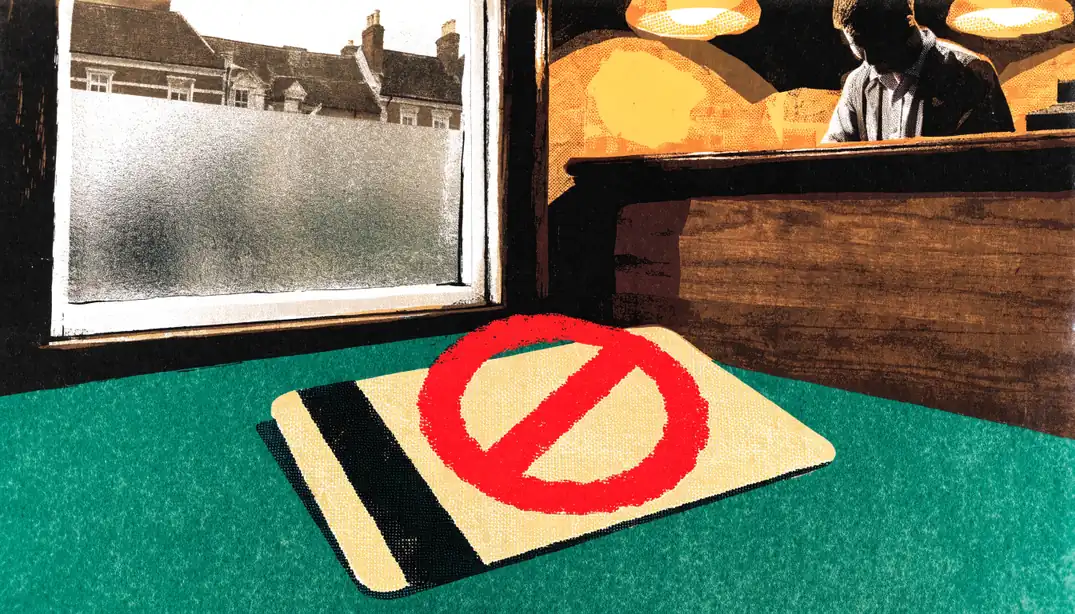
There is a further UK point here. Credit-card payments for gambling are banned, and that restriction has not been relaxed. A debit card logo therefore does not mean that any card carrying the same brand will qualify. You need to know what type of card you hold and whether the operator accepts it for gambling deposits.
“Still available” needs a date and a customer
People often ask whether XRP casinos are still available in the UK, but that question has two parts. First, does the operator currently offer XRP? Second, can this particular UK customer use it? A page answering the first part may not answer the second.
Account checks can affect what appears in the cashier. Location, registration details, account status and the payment provider’s own rules may all matter. I would also use an account and payment route belonging to the same person. Matching ownership information reduces avoidable friction when the casino checks who is funding the account.
DO
- Verify the licence number on the UK Gambling Commission public register
- Check the payment methods shown in the cashier for your specific account
- Ensure the account currency is set to GBP
DON'T
- Assume XRP is available just because a site mentions cryptocurrency
- Manually enter a wallet address if XRP is not listed in the cashier
- Rely on a logo on an information page as proof of an enabled option
That does not turn a crypto mention into evidence of approval. It simply removes one basic source of trouble.
The operator’s legal status is separate from its payment menu. Remote gambling licensees selling into Great Britain must hold the relevant UK Gambling Commission licence, and legal online gambling in the UK is available through licensed and regulated sites. XRP support, even if displayed, is not evidence of a licence, safe operation or fair treatment. Before depositing, verify the licence number on the UK Gambling Commission public register.
What to record before you deposit
I keep the check simple:
- Is XRP visibly listed in the logged-in cashier?
- Is the route available to UK customers rather than only to customers in another market?
- Is the deposit being made through the casino’s stated payment process?
- Does the account information match the person who owns the wallet or payment account?
- Is the operator’s current UK Gambling Commission licence shown and verifiable?
If the answer to the first question is no, then the casino has not established itself as an XRP option for you, whatever a page elsewhere may claim. If the answer is yes, the cashier still deserves a careful read before you transfer funds. Payment availability is a live account feature, not a permanent characteristic of a website.
That is the honest position on casinos that accept Ripple XRP in the UK in 2026: some published material discusses cryptocurrencies, but the practical proof has to come from the current cashier and your own eligibility. Marketing says “crypto-friendly”. The screen tells you what that means.
If XRP Isn’t in the Cashier, What Can You Use Instead?
If XRP is not shown among the cashier’s payment options, the practical alternatives are less exotic: a debit card, a bank transfer, open banking, an e-wallet or a prepaid voucher. The right choice depends on what the casino supports for your account, whether you need withdrawals through the same route, and whether the account is set up in pounds.
Debit cards: the familiar option
UK casinos commonly accept debit cards issued by Visa and Mastercard. A debit card is straightforward: choose the card option, enter the requested details, and approve the transaction through your bank’s security process.

That does not mean every card product will work at every cashier. Availability can change, so check the payment panel rather than relying on an old list elsewhere. A card bearing a familiar logo is not, by itself, proof that the casino will accept it.
Credit-card payments for gambling are not permitted by UK-licensed casinos. The restriction also covers credit-card funding routed through a money service business. If you use a digital wallet, the wallet must not be funded with credit where that would enable gambling payments. Debit only.
I once treated the Visa logo as the whole answer and skipped the actual cashier details. That was lazy. The logo tells you the network, not necessarily whether your particular card and transaction will be accepted.
Bank transfer and open banking
Bank transfer is another documented route for UK casino deposits. Open banking services can connect the casino with your bank so that you approve the payment through your own banking app or online banking. This avoids typing card details into the casino account, although you still need to follow the operator’s payment instructions.
A specialist casino review describes open banking and bank transfers as capable of instant deposits and fast withdrawals at many sites. That is a description of availability and performance reported for the sites covered there, not a promise for every cashier. Bank processing can still be affected by cut-off times, weekends and currency conversion.
Before sending money, check the beneficiary details and the account name shown by the operator. Using an account and payment route belonging to the same customer can reduce avoidable ownership checks. It is a small bit of housekeeping that can save an irritating exchange with support.
PayPal and other e-wallets
PayPal is a recognised e-wallet alternative when displayed in the cashier. A specialist casino review describes it as popular for speed and convenience, while also warning that a PayPal deposit may not qualify for a promotion. That qualification matters: a payment can be accepted for funding an account without being eligible for every offer attached to that account.
Skrill and Neteller are also available at some sites. A specialist casino review says both are often left out of promotions, so read the promotion terms before choosing one with a bonus in mind. Skrill remains one of the most common deposit methods mentioned for UK-friendly casino sites in 2026, but “common” does not mean universal. The cashier for your account is the useful test.
Some UK Gambling Commission-licensed casinos also accept Apple Pay for deposits. It is worth checking whether the option appears on the device and browser you are using, rather than assuming that an Apple Pay wallet will automatically be supported.
Jeton remains available at a handful of UK online casinos in 2026, according to a specialist review. That makes it a possible alternative, not a payment method to expect everywhere. The same rule applies to any wallet: look for it in the cashier and check what the casino permits after the deposit stage.
Paysafecard: deposit-only
Paysafecard works differently from a bank account or an e-wallet. It is a prepaid voucher used for deposits only. You enter the voucher details at the cashier instead of connecting a debit card or bank account.
That deposit-only status is important if you are already thinking about getting funds back out. Paysafecard is not a general deposit-and-withdrawal route. Treat it as a way to fund the casino account, not as a complete replacement for XRP when both sides of the transaction matter.
Several cryptocurrencies are not the same as XRP
Some casino payment pages mention cryptocurrencies, but that does not make every digital asset interchangeable. A Bitcoin option does not confirm an XRP option, and a general reference to crypto does not tell you which coins, network or conversion process the casino supports.
The same caution applies to a casino that lists Visa, Mastercard, bank transfer, e-wallets and several cryptocurrencies. Payment branding can look broad while the actual cashier offers a narrower set for your country, account or currency. Choose only an option that is visible and usable in your own cashier.
Check the currency before paying
The pages describing these payment routes indicate that GBP is supported, but confirm your account currency before the first transaction. If the casino account is not set to pounds, the payment provider or bank may apply conversion. That can change the amount credited and make the transaction harder to reconcile.
My simple approach is to open the cashier, confirm the currency, check whether the method is deposit-only or supports the wider payment process, and then read the payment-specific terms. It is not glamorous. It is also much less painful than discovering the important detail after the money has moved.
- Is XRP visibly listed in the logged-in cashier?
- Is the route available to UK customers?
- Is the deposit being made through the casino’s stated process?
- Does the account information match the wallet owner?
- Is the operator’s UKGC licence shown and verifiable?
Deposits, Withdrawals and the Catch with Getting Your Money Back
A deposit and a withdrawal are not always two sides of the same button. The cashier may show a payment route for putting money in, while the payout options follow different rules. That matters if you are looking for a UK casino connected with XRP, a debit card, or any other account-based payment route: seeing a method beside “Deposit” does not prove that the same method can receive your winnings.
I learned this the irritating way. I treated the cashier like a simple wallet: money in, money out, same path. Casinos do not always see it that way. Their payment controls are tied to fraud prevention, account ownership and anti-money laundering checks.
Why the money may need to go back the same way
For British gambling accounts, anti-money laundering controls commonly require a payout to be sent back to the original payment source. This is often called a closed-loop approach. If you deposit through a named account, the casino may first try to return funds to that account rather than let you choose an unrelated destination.

That is why changing payment details halfway through can create friction. The account, payment instrument and withdrawal request need to make sense together. Using your own casino account and your own payment route consistently reduces the chance of a basic ownership mismatch slowing things down.
It is not an attractive part of the process, but it protects against someone depositing with one person’s details and asking for a withdrawal to another person’s account. If an alternative route is permitted, expect the casino to request extra information before releasing the money.
The cleanest setup is dull: one named account, used consistently. Dull is good here.
A withdrawal has an approval stage
The time shown for a payment method is not necessarily the time you wait to receive money. Before a withdrawal reaches the payment provider, the casino may need to review the request, confirm account details and complete KYC. The internal approval stage is part of the process, not an optional extra.
A specialist review describes first withdrawals as potentially slower because verification may still be outstanding. That is a statement about the kind of experience reported in such reviews, not a fixed timetable for every UK account. The important point is practical: your first payout can take longer than a later one when the casino is still confirming who you are and whether the payment route belongs to you.
Withdrawal speed also depends on whether your account is fully verified and how quickly the casino approves the request. A payment service cannot make an unapproved withdrawal arrive. Fast rails do not remove the casino’s checks.
Why deposit speed tells you very little
A deposit can appear immediately because the payment authorisation happens at once. The reverse journey may involve internal approval, ownership checks and the receiving provider’s own processing. So a quick deposit should not be read as a promise of an equally quick payout.
A specialist review places PayPal, open banking services and debit cards connected to fast payout systems among the quicker withdrawal routes. Availability and timing still depend on the cashier, your account and the casino’s approval process. Treat the description as a useful comparison point, not a guarantee.
When checking an XRP-related casino claim, separate three questions:
- Is the payment route available for deposits?
- Is it available for withdrawals?
- Will the casino return funds to that route, or require another approved destination?
That distinction cuts through a lot of “instant” language. “Instant” may describe the deposit, not the payout; “withdrawal available” may still mean the request awaits KYC; and a cryptocurrency reference may say nothing about the actual route offered to a UK customer.
Before you send money, open the cashier while logged in and read the withdrawal instructions as carefully as the deposit panel. Check whose name must appear on the payment account, whether the method is deposit-only, and whether an alternative payout route triggers further verification. Keep records of the transaction and use matching personal details.
That small check saved me more hassle than chasing a payment badge ever did.
Playing Mobile Slots: The Payment Doesn’t Change the Game
I understand why people look for mobile slots that can be funded with XRP. A phone feels like the simplest place to play, and a cryptocurrency label can make a site sound more modern than it really is. But the payment route does not unlock a separate catalogue. Once you are inside an eligible casino account, the games available to you depend on the operator and its software, not on whether the balance arrived through XRP, a card or another method.
That distinction matters when you are comparing online slots on a phone. A page mentioning Ripple or XRP is not, by itself, proof that you can open an account, deposit, play for money and withdraw winnings from Britain. The cashier, account rules and licensing position still control the practical result. “XRP slots” is usually shorthand for a hoped-for funding route, not a special type of slot machine.
Mobile access is about the device
UK-facing casino games are generally designed to run through a mobile browser or a compatible app where one is offered. The screen may be smaller, but the underlying gambling conditions do not become more relaxed. You still need an account with the operator, age checks must be completed before depositing, and the site must apply its remote-gambling controls.
I have made the mistake of treating mobile access as a shortcut: tap, deposit, spin. It is not. Before playing, the account should show the financial-limit prompt required for new customers before their first deposit. The operator must also make account-level limit controls accessible afterwards. Those controls are worth checking before you fund anything, especially when a phone makes repeated play feel frictionless.
The game itself also has to follow British rules. Autoplay for online slots is banned, so you cannot set a session running while you look away. Each online slot spin must last at least 2.5 seconds. That can feel slow if you are used to tapping quickly, but it is part of the format for play in Britain.
What “free” can mean
A search for free XRP slots can point in several directions. It might mean trying a demo mode, looking for a promotion, or hoping to play without risking money. Those are different things. A demo does not establish that XRP deposits are supported, and a payment label does not turn a real-money game into a free one.
If you want to play with money on a phone, treat the payment question and the game question separately. First establish that the account and cashier are suitable for your circumstances. Then check which games are actually available on the mobile site. Do not assume that a slot shown in a promotional page will appear in your logged-in account.
Small screen, same rules.
Real-Money Slots and the Limits of an XRP Search
“XRP slots” can mean two different things. You might be looking for a real-money casino where XRP appears among the deposit methods, or you might simply want to find slot games with XRP in the title, theme or branding. Those are not the same thing.
For real-money play, the important point is the gambling account, not the wording attached to a game. A site mentioning Ripple or XRP is not automatically a place where you can fund an account with XRP. Nor does a cryptocurrency label prove that the site serves customers in Britain under the required UK Gambling Commission framework. Payment acceptance and permission to offer gambling are separate checks.
I have made the mistake of treating a payment badge as a shortcut. It is not. Even when a cashier displays a cryptocurrency option, you still need to confirm that the account is available to you, that the payment route is active, and that the casino accepts the transaction for your intended use. “Crypto-friendly” sounds helpful; often it just means the marketing copy is doing more work than the cashier.
What “real money” should mean
Real-money slot play means staking funds from a gambling balance and being able to request a withdrawal under the casino’s rules. It is different from a free-play demonstration, a promotional game, or a page that merely discusses XRP-themed gambling.
For customers in Great Britain, the operator must hold the relevant UK Gambling Commission licence. Age verification is required before you can deposit, and licensed remote operators must ask new customers to set a financial limit before the first deposit. Account-level limit tools must remain available afterwards.

The game itself does not become more or less “real money” because you use a particular currency. The stake comes from the casino balance, while the payment method is the route used to fund or withdraw from that balance. Keep those two functions separate in your head. It saves confusion.
The practical XRP check
If you want to use XRP specifically, start with the cashier rather than a game page. Look for an actual XRP deposit option after opening the account, then read the payment terms before sending anything. A page that says a casino accepts several cryptocurrencies is not enough on its own to confirm that XRP is available for your account or that it can be used for every transaction.
Also watch the difference between a named casino, a payment service and a game reference. A site can mention Ripple while using another currency for the gambling balance. A payment provider can appear in an article without being supported by the operator’s current cashier. A slot title can contain a cryptocurrency name without accepting that currency.
There is no reliable shortcut from “XRP” to “real-money slots”. Check the operator, the licence, the cashier and the withdrawal conditions as separate matters. Only then does the search become useful.
Depositing by Card: Fast In, Not Always Fast Out
A card deposit and a card withdrawal are separate parts of the cashier, even when they use the same card. I learnt that the annoying way: seeing a card logo beside “deposit” does not mean the casino will send winnings back through that route.
For UK gambling, the important distinction is between debit and credit. Credit-card gambling has been prohibited since 14 April 2020, and that restriction remains in force. A UK-licensed casino cannot accept a credit card for gambling, including credit-card funds routed through a money service. So when you see discussions about Ripple XRP credit card casinos in the UK, treat the wording carefully. A card may be used to fund an account only where it is an eligible debit product, not because XRP somehow changes the rule.
That is useful as a starting point, not a guarantee. Card schemes, issuers, casino policies and account checks can all affect whether a particular card is accepted. Before entering the amount, open the cashier while logged in and confirm that your own card product is displayed for deposits. The screen in front of you matters more than an old payment-method list.
The timing can also create a false impression. A card deposit may appear immediately, whereas the withdrawal can take several business days. A fast deposit therefore says little about how quickly money can reach your bank account. The two transactions may be handled by different processes, and a withdrawal can involve checks that a deposit does not.
That is why I would not describe a debit card as a direct XRP withdrawal method. If you hold XRP elsewhere, the casino cashier would first need to show an accepted route for funding the account; the card itself does not turn a casino balance into XRP. Nor does “instant banking” mean an instant card payout. Read the label attached to the specific transaction type.
One more trap: a card deposit does not automatically qualify for a promotion. The payment route can have its own terms, and the cashier or bonus rules may exclude it.
My practical check is short:
- Confirm the card is debit, not credit.
- Check that the cashier currently accepts that card for your account.
- Read the separate withdrawal instructions before depositing.
- Note whether the displayed route returns funds to the card or requires another approved method.
Fast in, perhaps. Fast out, not necessarily.
Bonuses, Free Spins and the Payment-Method Small Print
The payment route shown in a casino cashier is not automatically the route that qualifies for a promotion. That is the bit I missed once: I saw a welcome offer, made a deposit, and only later noticed that the payment section had its own exclusion. “Eligible” can mean the account qualifies, the deposit qualifies, and the selected method qualifies. All three matter.
Promotion terms may separate card deposits, bank payments and e-wallets. They can also say that a deposit made with a particular method does not trigger bonus funds or free spins. This is why an XRP option, if a cashier presents one, would not by itself prove that an XRP deposit activates a welcome bonus. Payment acceptance and promotional eligibility are separate checks.
Why wallets need a closer look
PayPal is often presented as a convenient payment route, but a specialist review notes that it may be left out of bonus eligibility. That is a specific warning, not a permanent rule for every casino. Read the current terms attached to the offer and look for the payment-method section before depositing.
Promotional Eligibility
Always check the specific terms of a bonus, as some payment methods like PayPal or certain e-wallets may be excluded from qualifying for promotions or free spins.
The same caution applies to Skrill and Neteller. They are available at some sites, while a specialist review says they are often excluded from promotions. “Often” here belongs to that review, not to a promise about every UK casino. The only safe conclusion is practical: do not assume that a wallet deposit counts merely because the cashier accepts it.
This matters when you are looking for an XRP welcome bonus, free spins on slots or a no-deposit offer. A promotion might be restricted to selected deposits, new customers, particular games or a specified activation process. A bonus code may also need to be entered before the qualifying transaction rather than added afterwards. The exact conditions belong to the operator’s current terms.
I now check four things before paying:
- whether the offer is available to my account;
- whether the chosen payment method is excluded;
- whether the promotion covers the games I intend to play;
- whether a code or opt-in step is required.
That takes a minute. Missing it costs more.
Minimum Deposits, Limits and What £5 Really Means
A small deposit is not the same thing as a small overall gambling budget. I have made that mistake myself: seeing a low figure in a cashier and treating it as permission to keep topping up. The two controls are separate.
A specialist review of UK casino payment options places the minimum deposit at roughly £10–£20, with the exact starting point depending on the payment method selected. That means a £5 deposit may not be available, even if the search phrase suggests a “£5 XRP casino”. The cashier decides what can actually be entered, and XRP would need to be shown there as an accepted route before it could be used at all.
The payment method also affects the maximum transaction size. A casino may apply different ceilings to one deposit, the total deposited in a day, or the amount deposited during a month. Your account status can change those controls too. A newly opened or incompletely checked account may not have the same permissions as an established, verified one. Nothing mysterious. Just a changing cashier.
Before depositing, check three separate figures:
- the smallest amount accepted for that payment route;
- the largest single transaction allowed;
- any daily or monthly deposit ceiling shown for your account.
Do not confuse those figures with the financial limit the operator asks you to set. UK Gambling Commission rules require a remote operator to invite a new customer to choose a financial limit before the first deposit. You must also be able to find and change account-level limit controls afterwards. That is your budgeting tool, not a promise that the cashier will accept every amount within it.
So, if you are looking for a mobile XRP payment or an instant five-pound deposit, the practical test is brief: open the account cashier, confirm whether XRP appears, read the minimum and maximum displayed for that route, then inspect your financial-limit settings. If the route is absent or the minimum is higher than your intended amount, the wording on a comparison page cannot override it.
Small number, real control.
Comparing XRP Alternatives: Fees, Currency and Speed
Choosing a payment route instead of XRP is not just a matter of spotting the first familiar logo. I have made that mistake myself: a method looked cheap at the cashier, then the exchange rate did the real damage. “Low fee” can mean only that one visible charge is low.
The total cost may involve several layers:
- a charge from the casino;
- a fee from the payment provider;
- an issuer or bank charge;
- the exchange-rate spread;
- network costs where the payment system uses them.
That last comparison matters when you are moving money between currencies. A conversion spread is built into the rate rather than shown as a separate fee, and it can cost more than a clearly displayed flat charge. Before confirming a deposit, compare the amount leaving your account with the amount credited to the casino balance. Those are the figures that matter.
Currency first, method second
If the account and payment method use different currencies, conversion may happen on the way in, on the way out, or at the provider or bank. That can change the real cost of an apparently convenient alternative.
I would check three things in the cashier:
- the account currency;
- the currency used by the payment method;
- whether the displayed amount includes conversion or an additional charge.
It takes less time than trying to reconstruct the difference afterwards.
Speed is part of the price
A bank transfer is not judged only by its stated fee. Delivery can be influenced by the bank’s cut-off time, weekends and currency conversion. A transfer sent at an awkward point in the banking day may not behave like an instant cashier payment. That is not necessarily a fault with the casino; it is part of the route.
For any alternative, compare the complete picture: what you pay, what currency is used, and when the funds are expected to arrive. The quickest route is not automatically the cheapest, and the cheapest-looking route is not automatically the cleanest. Check the final confirmation screen, not just the payment badge.
Small print wins.
XRP Casinos and GamStop: Check the Safeguards, Not Just the Payment
Looking for a casino outside GamStop that accepts XRP can put the payment method in the spotlight. I understand the appeal: you find a site mentioning Ripple, see a familiar deposit route, and assume the rest has been checked too. That is the trap. XRP tells you how money might move; it does not prove who runs the casino, which rules apply, or what help is available if gambling stops feeling manageable.
For customers in Great Britain, remote gambling licensees selling real-money games must hold a current UK Gambling Commission licence. An offshore casino is outside that UKGC system. It may still be accessible, and a player does not face a fine or criminal prosecution simply for playing there, but that accessibility is not the same thing as UK protection.
GamStop is a self-exclusion scheme, so a casino not connected to it should not be treated as a shortcut around a decision you made to stop gambling. I have made the mistake of treating a cashier feature as the important detail. It was not. The useful checks are much less exciting:
- Is the operator listed on the UKGC public register?
- Are responsible-gambling tools clearly available?
- Can you set account-level limits and use self-exclusion?
- Is there an internal complaints process and access to an approved Alternative Dispute Resolution service?
UKGC rules require a remote operator to prompt a new customer to set a financial limit before the first deposit. The operator must also provide accessible controls for managing limits at account level. Those controls matter more than whether the cashier displays XRP, Bitcoin or any other payment option.
A payment logo is not a licence badge. Nor does “not on GamStop” mean better value, safer play or stronger customer support. If you have chosen self-exclusion, using a different casino can undermine that safeguard rather than solve a payment problem.
The sensible order is simple: check the operator and the protections first, then inspect the cashier. Not the other way round.
What is the fastest withdrawal method for UK casinos?
PayPal, open banking and debit cards linked to fast payout systems are generally among the quickest options. Your account must be verified, and the casino’s approval process also affects how soon you receive the money.
Why must withdrawals return to the deposit method?
Returning funds to the original payment source is a common anti-fraud and anti-money-laundering control. Using the same account for deposits and withdrawals can also reduce avoidable ownership checks.
Do UK casino withdrawals require verification?
Yes, verification may be needed, particularly before a first withdrawal. Payouts can take longer while the casino completes those checks.
Can I use a credit card at 333 Casino in Great Britain?
No. Credit-card gambling has been banned in Great Britain, and that restriction has not been relaxed.
Why can a fast payout casino still delay my withdrawal?
A quick payment method does not skip the casino’s internal approval process. Your payout may take longer if your account is not fully verified, especially for a first withdrawal.
Created by the ”Casino not on Gamstop” editorial team.